Search in blog
Blog categories
Latest posts
Find the best commercial restaurant equipment for busy UK kitchens, from ovens and refrigeration to prep, warewashing...
Best Price Guarantee
We have a 14 Day return Policy
Minimum 1 Year Parts Warranty
From £500 to £100,000 Apply in 2 Minutes!
A service can fall apart in one shift if the wrong kit is on the line. When buyers search for the best commercial restaurant equipment, they are usually not looking for theory. They need equipment that holds up under pressure, fits the menu, suits the space and arrives fast enough to keep plans moving.
The right buying decision starts with one question - what does your operation need to do, every day, without fail? A 40-cover bistro, a high-volume takeaway and a care home kitchen may all need cooking, chilling, washing and prep equipment, but the best specification is rarely the same. Capacity, duty cycle, cleaning time, power supply and footprint matter just as much as price.
In trade terms, the best commercial restaurant equipment is not simply the most expensive model or the biggest brand name. It is the equipment that gives you dependable output, sensible running costs and the least disruption over time. That usually means buying for workload rather than wishful thinking.
A combi oven with advanced programmes may be a smart investment for a site with varied service periods, changing menus and limited labour. In a simpler kitchen, a solid convection oven or a reliable countertop griddle may make more commercial sense. The same rule applies across refrigeration, dishwashing and food prep. Extra features are useful if they save labour, improve consistency or reduce waste. If they do not, they are just extra cost.
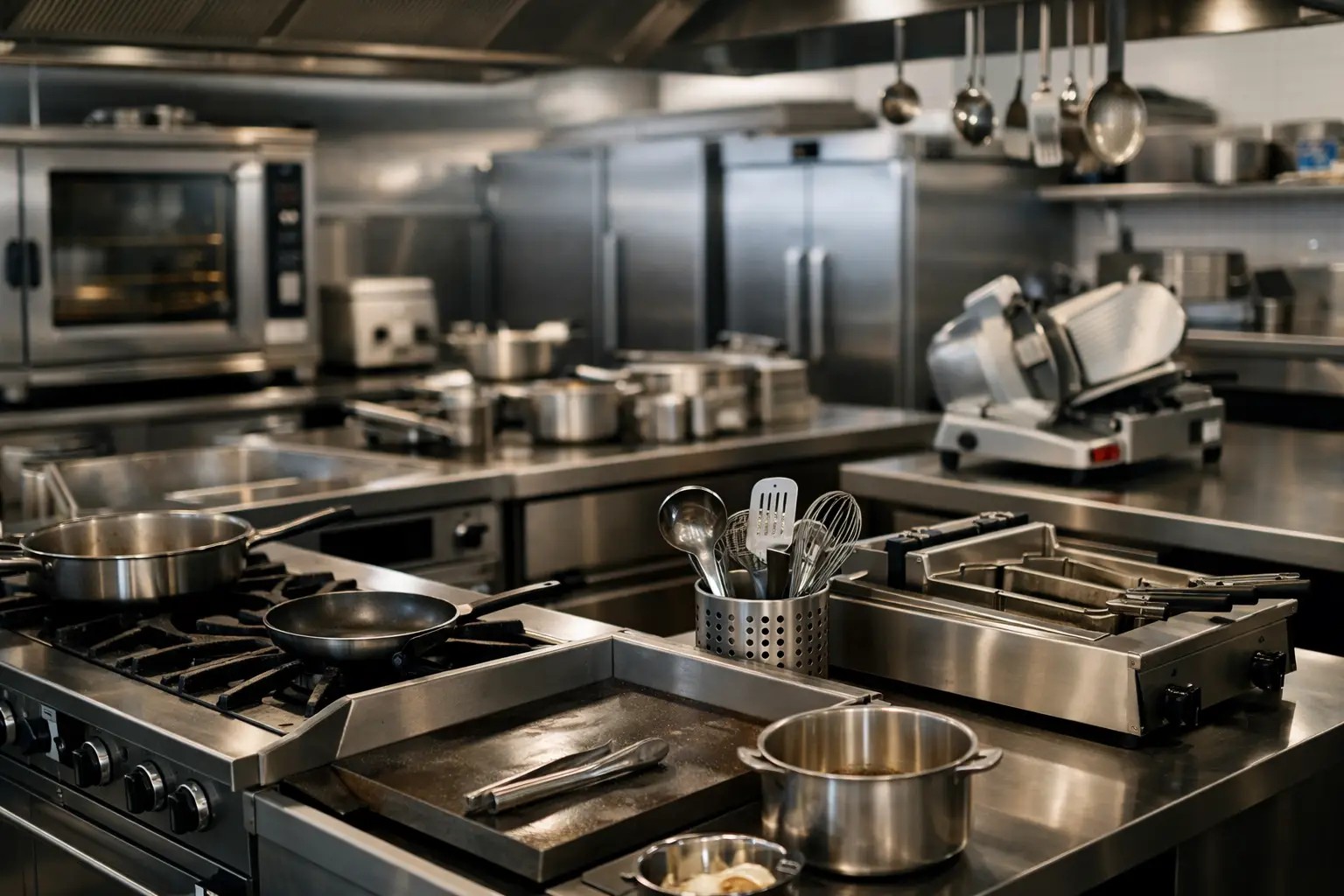
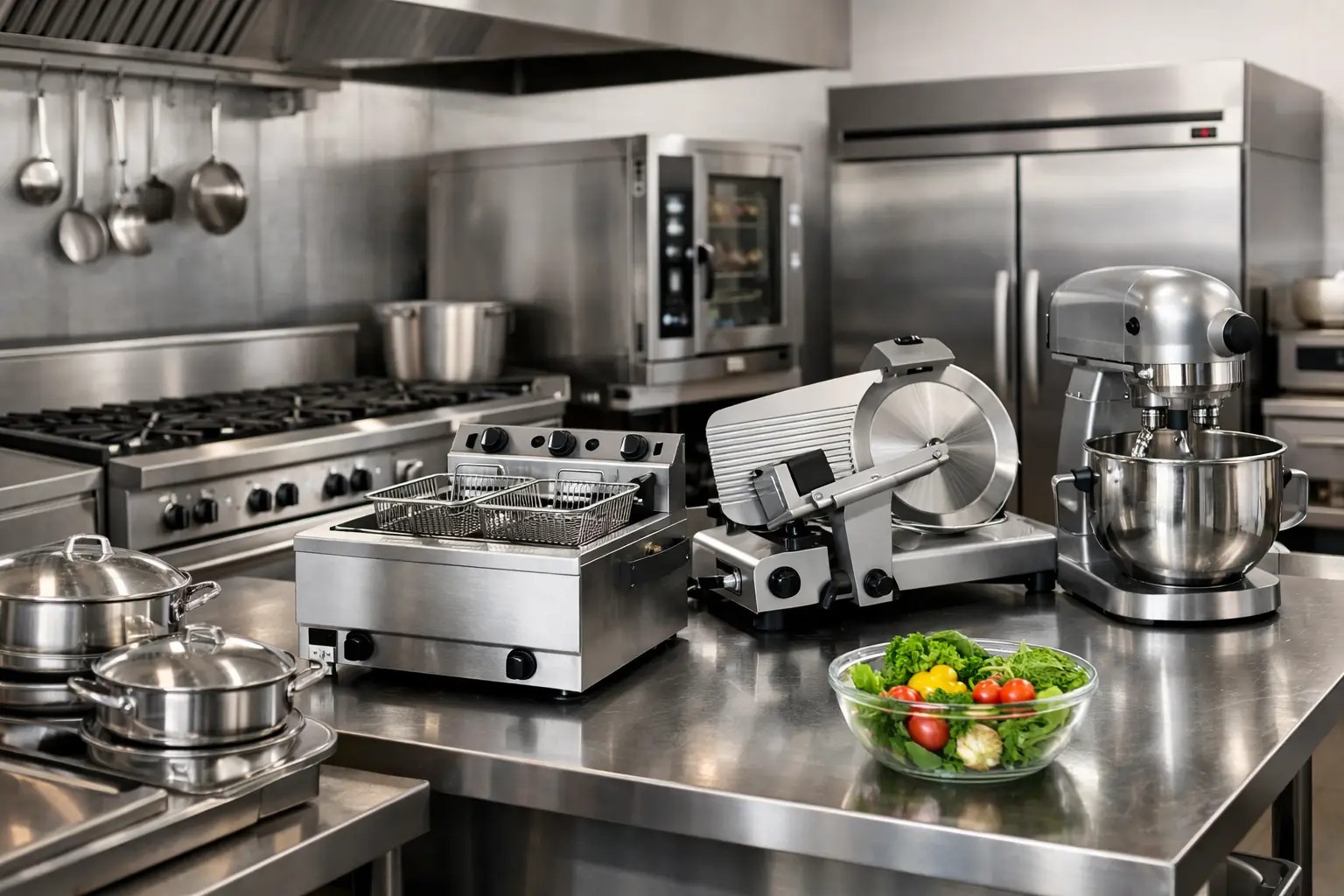
Cooking equipment is where most operators feel the pressure to spend, and with good reason. It drives service speed, menu range and energy use. For many restaurants, the core line will include ovens, hobs, fryers, griddles, chargrills or salamanders, depending on the menu.
Combi ovens are often one of the strongest all-round investments for professional kitchens. They suit sites that need versatility, repeatable results and better control over cooking times. They are especially useful where space is tight because one unit can cover several cooking methods. The trade-off is cost. If your menu does not use that flexibility, a standard oven setup may be better value.
Fryers remain essential for pubs, takeaways, fast casual sites and any kitchen where fried items are central to sales. Here, recovery time and oil capacity matter more than headline price. Cheap units can quickly become expensive if they slow service or shorten oil life. Griddles and chargrills are equally menu-led purchases. A steak-led site needs a different cooking surface from a breakfast café or burger outlet.
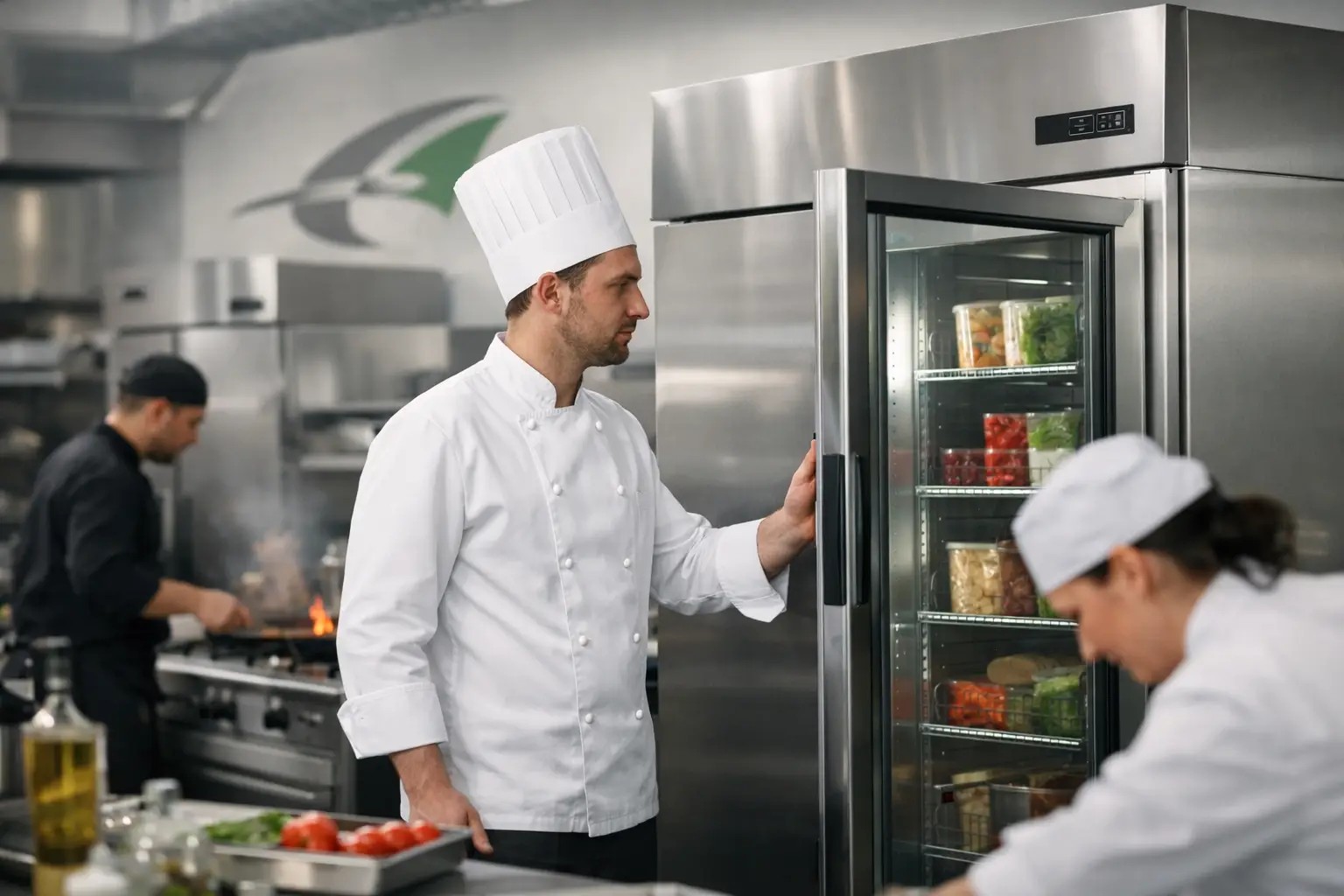
Poor refrigeration causes waste, compliance risk and service disruption, so this is not the place to cut corners blindly. Upright fridges and freezers work well where kitchens need accessible daily storage. Counter refrigeration makes sense when prep space and chilled holding need to sit together. For larger sites, cold rooms and larger capacity storage can improve stock management and reduce delivery pressure.
The best choice depends on product volume, kitchen temperature and how often doors are opened during service. A small undercounter unit may look cost-effective, but if it is overloaded every day, performance and lifespan will suffer. Equally, oversized refrigeration eats floor space and power without adding real value. Buyers should focus on usable capacity, internal layout and how stock actually moves through the kitchen.
Prep equipment pays back through labour savings and consistency. Slicers, mixers, vegetable prep machines, food processors and blenders all reduce manual handling and help standardise output, particularly across busy or multi-site operations.
The key is to match the machine to the volume. A light-duty mixer may suit a café baking in smaller batches, while a high-output bakery or pizza operation needs a heavier specification. The same applies to vegetable prep and slicing machines. If the unit is underpowered for the task, downtime and replacement costs tend to come quicker than expected.
Dishwashers and glasswashers are often treated as background purchases until they fail. In reality, warewashing has a direct effect on turnaround, hygiene and staffing pressure. Restaurants, bars and hotels all need machine capacity that matches peak periods, not average trade.
Undercounter dishwashers are practical for many smaller sites, while pass-through machines suit larger volume operations. Glasswashers need to balance speed with finish, particularly in front-of-house settings where presentation matters. Chemical dosing, cycle times and basket size all make a real difference in day-to-day use.
Not every essential piece of equipment cooks or chills food. Extraction, ventilation, sinks, stainless steel tables, shelving and storage are all part of a professional setup that works properly. If the support equipment is wrong, workflow suffers.
Stainless steel furniture is a good example. Buyers often look at it as a commodity, but dimensions, undershelves, splashbacks and load capacity affect how usable it is in a live kitchen. The best buying decisions are the ones that improve movement, cleaning and prep efficiency without wasting space.
The first step is to buy around service demand, not just opening ambition. A new venue may be tempted to overfit from day one, but tying up cash in unused capacity can create pressure elsewhere. At the same time, underbuying on key equipment creates immediate operational bottlenecks. The right balance depends on projected covers, menu complexity and peak-hour intensity.
Space planning matters just as much as specification. A kitchen can have excellent individual products and still function badly if workflow is poor. Delivery paths, prep zones, pass access, cleaning routines and storage all need to be considered together. Countertop equipment can be a smart answer where floor space is limited, but only if it does not create clutter or compromise safety.
Power and utilities are another common sticking point. Before ordering, buyers should confirm electrical supply, petrol requirements, extraction needs and drainage where relevant. A good product on paper is no use if installation slows the fit-out or requires unplanned building work.
A full kitchen fit-out and a single replacement order are different buying jobs. New openings need a complete category view - cooking, refrigeration, prep, warewashing, furniture, storage, smallwares and front-of-house support. The best approach is to build around the menu and service style, then fill in the operational essentials that keep the site compliant and efficient.
Replacement buying is usually more urgent. A failed fridge, oven or dishwasher can affect trade immediately, so availability and lead time become critical. In these situations, speed, stock depth and access to recognised commercial brands matter as much as technical detail. For many UK operators, being able to source heavy equipment and daily essentials from one supplier saves time and reduces disruption.
Lowest purchase price is rarely the same as best value. Running costs, warranty support, maintenance demands and expected lifespan all affect the real cost of equipment over time. A cheaper fryer with poor heat recovery, for example, can cost more through slower service and lower efficiency. A better specified fridge may protect stock more reliably and reduce call-outs.
For larger capital purchases, leasing or finance can make practical sense. It allows operators to secure the equipment they actually need without putting all the pressure on upfront cash flow. That matters for new sites, refurbishments and replacement projects where several categories need to be bought at once.
It is also worth looking at standardisation. If you are buying across multiple sites, keeping equipment types and consumables aligned can simplify staff training, parts replacement and day-to-day ordering.
One common mistake is buying on generic popularity rather than operational fit. The best commercial restaurant equipment for a high-volume QSR is not automatically the best option for a boutique hotel kitchen. Another is forgetting support categories. Operators focus on the oven and refrigeration, then realise later they still need benches, sinks, shelving, gastronorm pans, cleaning supplies and service items.
The other frequent issue is timing. Leaving equipment procurement too late can delay openings, create rushed substitutions or force compromise on specification. For replacement purchases, hesitation can be just as costly if service continues on unreliable kit.
For trade buyers who need breadth, speed and practical choice, a supplier with a wide range across equipment, consumables and front-of-house essentials can save significant time. Next Day Catering is built around that one-stop approach, which is often what busy operators need when they are fitting out, replacing or restocking under pressure.
The best equipment choice is usually the one that keeps tomorrow's service simple - the right capacity, the right reliability and no surprises when the kitchen gets busy.